In this guide

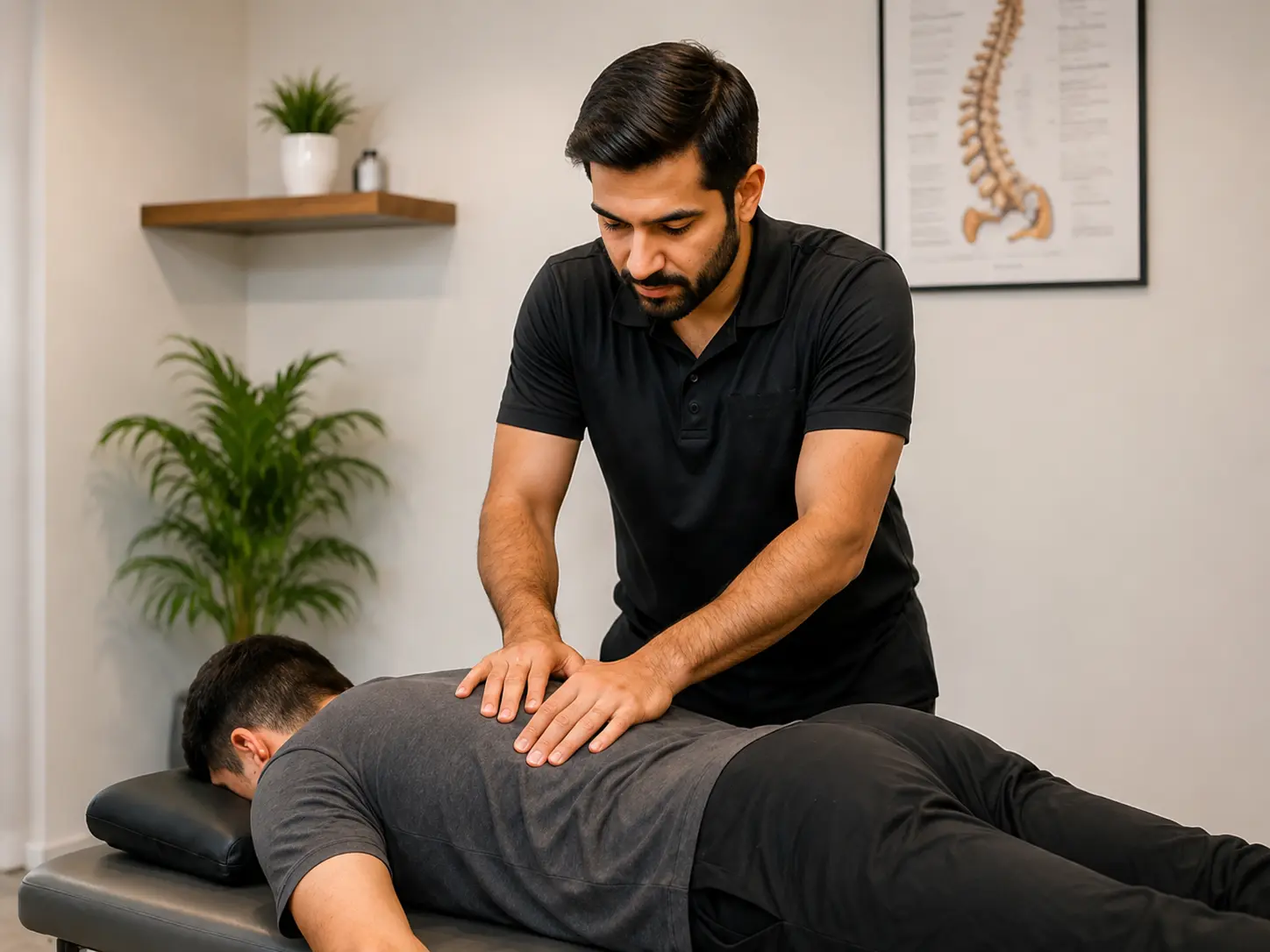
Representative service imagery.
A treatment list can mix a broad approach to care with the name of an individual technique. Physiotherapy may include manual therapy, and an "adjustment" often refers to spinal manipulation. Before choosing a procedure for back or neck pain, it helps to understand what will happen and how it fits the rest of your care.
Start with the activity you want to regain and the symptoms that limit it. Then discuss the proposed technique, its realistic benefit, the risks relevant to you and the alternatives. Those questions make treatment names more useful.
What do the terms mean?
Physiotherapy is a broad approach to helping someone improve movement and function. An appointment may lead to advice, exercise or a hands-on option; it does not automatically lead to manipulation. The NHS introduction to physiotherapy describes that range of care.
When manual therapy is proposed, get the name of the actual procedure. Soft-tissue work, joint movement without a thrust (mobilisation) and a quick controlled thrust (manipulation) describe different procedures. Knowing which is intended makes it easier to discuss comfort, consent and alternatives.
For a spinal joint, an adjustment often means manipulation. The US National Center for Complementary and Integrative Health explains the thrust distinction and describes use of manipulation by chiropractors and other trained health professionals.
A technique name does not establish a practitioner's professional title or qualifications. Ask about the clinician's qualification and training in the proposed procedure. ThriveX Physio's manual therapy and chiropractic adjustments page describes techniques selected after assessment within a wider rehabilitation plan.
Begin with the assessment, not the procedure
A first visit should clarify where the symptoms are, how they began, whether they travel and what affects them. Describe the activities that matter: sitting at work, looking over your shoulder, lifting, walking or training. Mention previous treatment and what changed afterwards.
Share relevant diagnoses, previous surgery, injuries and medicines. Tell the clinician about new weakness, altered sensation or a change in your usual symptom pattern. Those details may affect whether hands-on treatment is suitable or whether medical review is needed first.
The assessment may examine movement and relevant strength or function. Ask what the findings mean, which explanation is most likely and what is still uncertain. An explanation should help you understand the next step, rather than make you feel you must protect every ordinary movement.
At ThriveX Physio, physiotherapy and rehabilitation starts with movement, strength, mobility and history. The plan may include selected hands-on care, but it should also explain what you can work on between visits.
What can manual therapy realistically achieve?
For some low back pain, spinal manipulation may produce small improvements in pain and function. That is a measured expectation, not a guarantee of relief or a claim to cure the cause of every episode. The NCCIH evidence overview describes its possible benefits and the limitations of the evidence.
For low back pain with or without sciatica, NICE recommends considering manual therapy only within a treatment package that includes exercise. The guideline includes manipulation, mobilisation and soft-tissue approaches under manual therapy.
Ask how a proposed technique supports your own plan. If the aim is to make an exercise or activity easier, it should be possible to discuss that activity and review the response. Feeling different on the treatment table is only one part of the picture.
Avoid interpreting a treatment response as proof that a spinal disc has been “put back.” A sound plan can discuss symptom relief and movement without promising anatomical realignment or permanent correction.
Why exercise and everyday function belong in the conversation
A useful rehabilitation goal is something you want to do: tolerate a workday, carry shopping or return to a chosen activity. Ask how each part of treatment helps you move towards it.
An active plan needs to fit your starting ability and schedule. Ask for a clear explanation of the movements or exercises selected, how to perform them and what response should prompt adjustment. If your current plan is difficult to follow, say so; that is information the clinician can use.
Hands-on care can then be reviewed against the same goal. Ask whether it is making participation easier, whether any benefit lasts long enough to be useful and whether the plan still makes sense if you prefer to avoid manipulation.
You do not have to choose a thrust technique to receive physiotherapy. Discuss alternatives and agree what you are comfortable with before treatment starts.
What are the risks of spinal manipulation?
Risk depends partly on the procedure and your health history. NCCIH's safety overview describes short-lived discomfort, stiffness or headache after manipulation, as well as reports of rare serious neurological or spinal complications. It does not provide a reliable rate for those serious events.
For neck manipulation, NCCIH also describes an association with rare tears in neck arteries that can lead to stroke. How often this occurs and whether manipulation causes the tear remain uncertain. The potential risk belongs in the consent conversation, alongside the expected benefit and alternatives.
Ask specifically about the proposed body region and technique. A consent discussion should include relevant risks, expected benefit and alternatives. “You need an adjustment” is not enough information to decide.
You may ask for a different approach, take time to consider your options or ask to stop. Share your concerns about neck manipulation or any previous adverse experience. Before leaving, clarify what response warrants contacting the clinic and what would need medical attention.
Which symptoms require medical care first?
Seek emergency hospital care immediately if back pain occurs with a new problem controlling or emptying your bladder or bowel, reduced sensation near the genitals or anus, symptoms in both legs (pain, pins and needles, numbness or weakness), or a new change in sexual sensation or function. A major accident before the pain or accompanying chest pain also calls for emergency care. The NHS back-pain guidance identifies these warning signs.
Sudden severe back pain, pain worsening quickly, or feeling hot, cold, shivery or generally unwell warrants urgent medical advice. In Islamabad, use local medical services rather than wait for a routine manual therapy appointment. Tell any clinician about a new or changed symptom before treatment.
Seek hospital emergency care if neck pain appears suddenly together with dizziness, altered sight or speech, trouble chewing or swallowing, nausea or vomiting, an unusually severe headache, facial tingling or reduced sensation, a sagging eyelid, or an episode of passing out. Sudden limb weakness or a change in walking or balance also needs emergency assessment. These symptoms remain reasons for emergency care if they occur after neck treatment. The symptom guidance comes from Leicestershire Partnership NHS Trust; applying it after treatment is a precaution, not proof that treatment caused the symptoms. The fuller list is in when neck pain needs medical attention first.
Six useful questions before choosing treatment
What did the assessment find? Ask how the findings relate to your symptoms and goals.
Which technique are you proposing? Clarify whether it involves a thrust, mobilisation or soft-tissue treatment.
What benefit is realistic for my problem? Ask which evidence applies and what remains uncertain.
What risks apply to me? Discuss your medical history and the proposed treatment area.
What are the alternatives? Include an exercise-led approach if that is your preference.
How will we review progress? Agree what would justify continuing, changing or stopping a technique.
Questions patients often ask
Is physiotherapy just exercise?
No. Assessment, explanation, advice and selected hands-on techniques may all be part of care. The mix should reflect the problem being assessed and your preferences.
Do I need a scan before treatment?
Not automatically. For low back pain, NICE advises against routine imaging in a non-specialist setting and says specialist imaging should be considered when it is likely to change management. See NICE's imaging recommendations. Your clinician should explain when further investigation is appropriate.
How many adjustments will I need?
An assessment and review plan should come before a fixed commitment. Ask what progress will be monitored and how treatment will change if the technique is not adding enough value.
To discuss your options, read ThriveX Physio's manual therapy information or contact the clinic. ThriveX Physio is in Allegiance Tower, New Blue Area, Islamabad, near F-9 Park. WhatsApp +92 341 7388830 about an assessment.
Evidence & further reading
Guidance and research behind this article. Each source is linked so you can read its context and limits. Some guidance comes from UK or US health services; local referral and emergency pathways in Pakistan differ.
- NHS: Physiotherapy
Physiotherapy includes assessment and may combine exercises, hands-on treatment and advice.
- NCCIH: Spinal manipulation, what you need to know
Manipulation versus mobilisation; possible modest low-back benefits; transient effects and rare serious events; neck artery tears, uncertain causality and need for informed consent.
- NICE NG59: Low back pain and sciatica recommendations
Manual therapy considered only within an exercise-containing treatment package; no routine non-specialist imaging and specialist imaging when it is likely to change management.
- NHS: Back pain
Emergency signs including bladder or bowel changes, altered genital/anus sensation, bilateral leg symptoms, chest pain or serious accident, and urgent review for sudden or worsening severe pain or systemic illness.
- Leicestershire Partnership NHS Trust: neck pain
Standalone sudden neck warning symptoms requiring emergency care. Applying those directions to symptoms after treatment is an editorial precaution, not a claim of causation.