In this guide

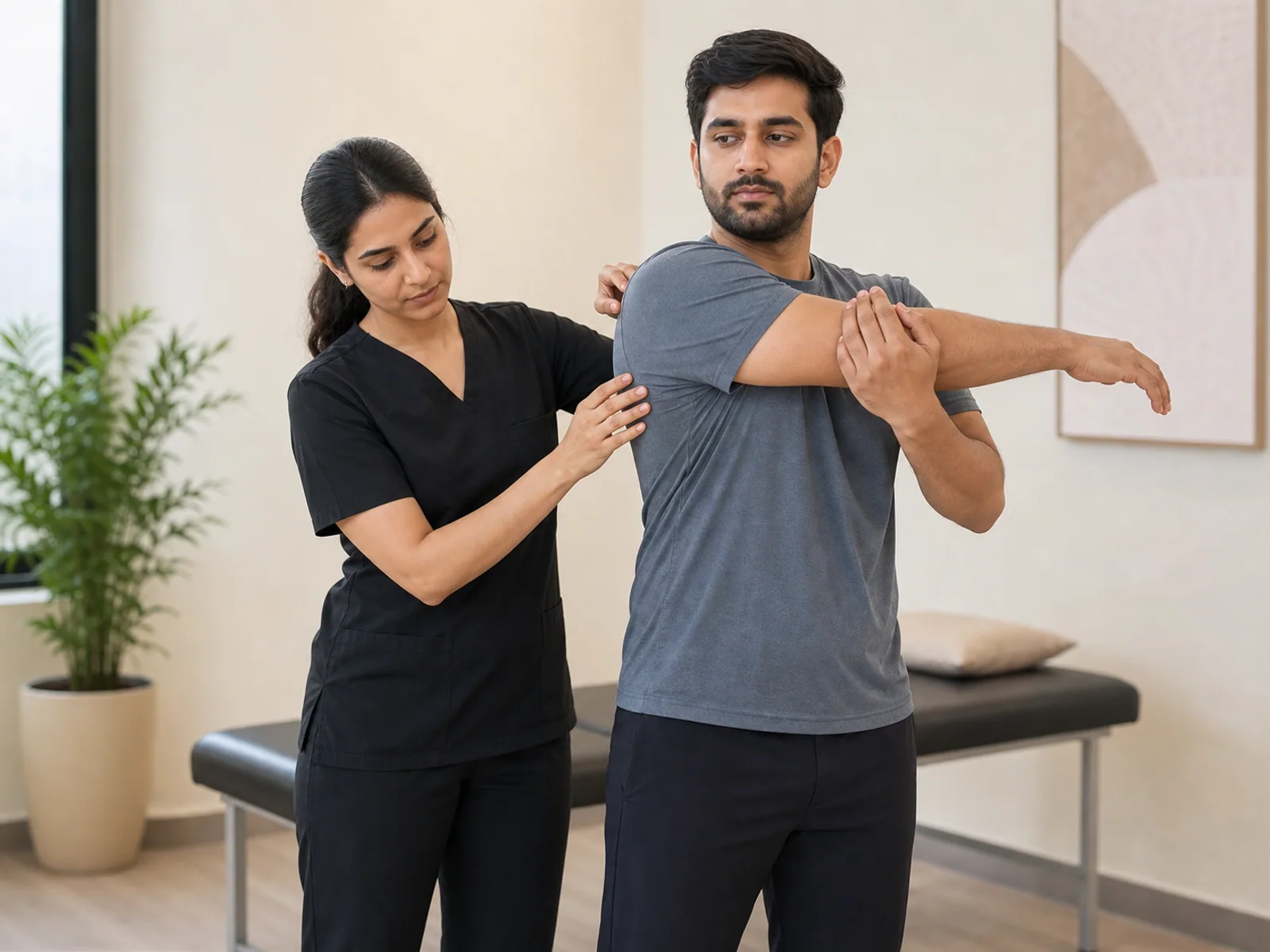
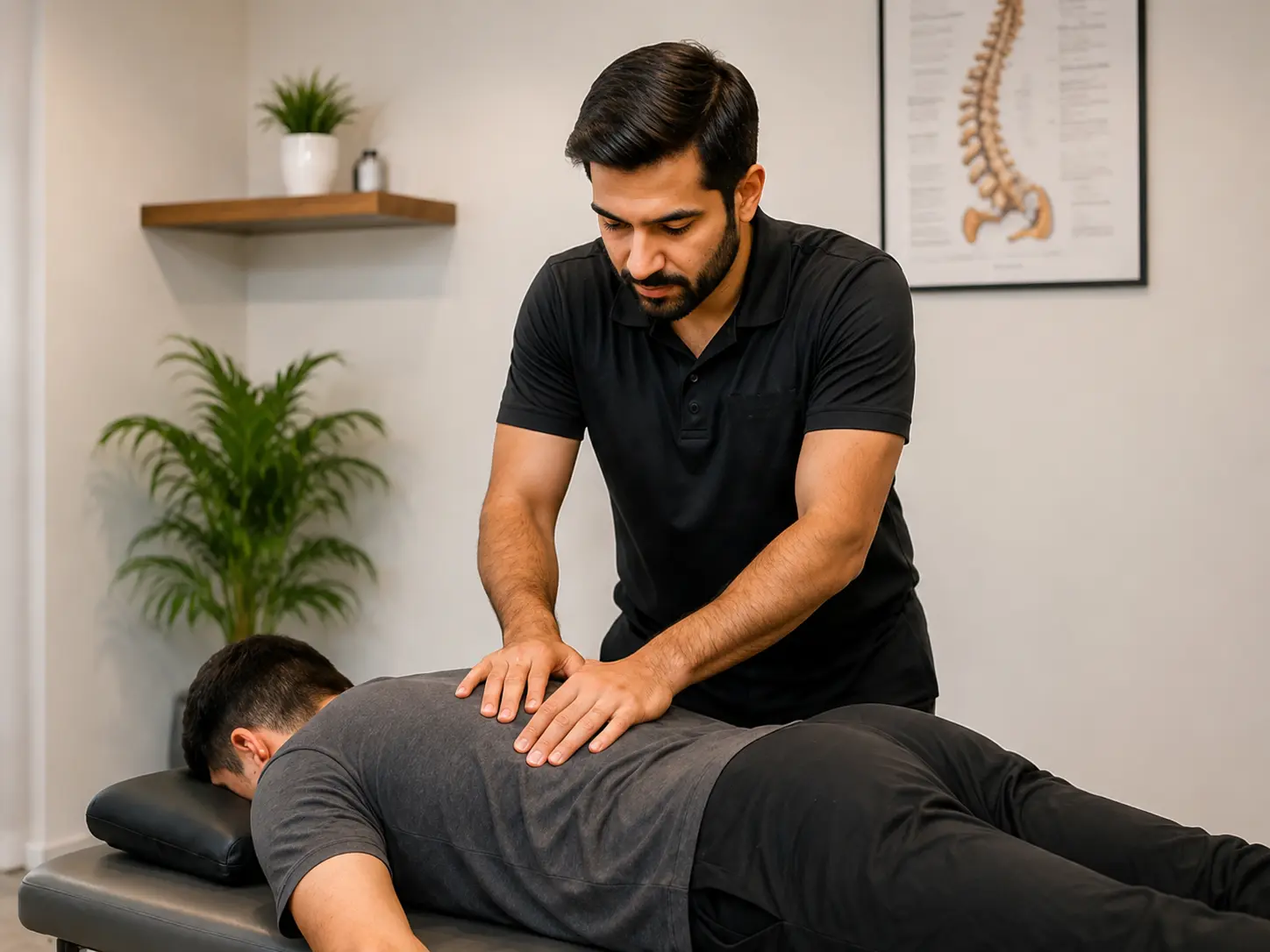
Representative service imagery.
If you have searched for dry needling, you may have seen promises about releasing tight muscles or solving pain quickly. A more useful question is whether it has a clear role in your own rehabilitation, what benefit is realistic and whether you are comfortable with the risks.
Dry needling is optional. Asking about it or booking a physiotherapy assessment does not commit you to having needles used. At ThriveX Physio, the published dry needling service information describes using it selectively after assessment, within a wider plan.
What is dry needling?
The word "dry" means the needle does not deliver medicine. A clinician inserts a fine, solid needle into a selected muscle area, often a tender point, as one possible part of musculoskeletal care. Cleveland Clinic's overview explains the procedure.
Those descriptions do not tell you the cause of your pain. Feeling a tight or tender muscle is a starting point for assessment, rather than proof that needling is the right treatment. Ask the clinician which finding they hope to influence and how that relates to a task you want to do more comfortably.
Is it the same as acupuncture?
Both involve needles through the skin, but their purposes can differ. Dry needling usually focuses on muscle areas during rehabilitation. Cleveland Clinic's comparison describes acupuncture as based in Eastern medicine and used for a wider range of problems.
The name alone should not decide your treatment. Ask what the practitioner intends to do, what training they have for that technique, which evidence applies to your condition and which alternatives are available. Evidence about one needling approach or diagnosis should not automatically be transferred to another.
Neither procedure should be presented as a way to put a spinal disc back into position or cure every source of pain. A change in symptoms after treatment does not, by itself, establish that a structural problem has been corrected.
What does the evidence say about benefits?
Dry needling research needs to be interpreted by condition and outcome. A 2025 systematic review of mechanical neck pain reported promising short-term effects on pain-related measures and function, with limited effects on neck movement. The authors also identified limitations, including study bias and variation, and called for further research.
The results are not uniform. A randomised trial of 77 adults with mechanical neck pain compared dry needling with sham needling when both groups also received manual therapy and exercise. It found no additional benefit from true dry needling on the measured outcomes, including follow-up to one year.
Together, these findings support a careful discussion rather than a promise. A possible short-term effect for a selected person is different from proven additional benefit for everyone or a lasting solution on its own. Your clinician should explain which outcome might change and why trying the procedure would be worthwhile for you.
If needling is proposed to make a movement easier, agree how that movement will be checked. For example, ask whether the aim is to help you turn your head for driving or participate in an exercise you already need. A vague promise to “release everything” is difficult to evaluate.
Does NICE recommend needling for every painful condition?
No. NICE's osteoarthritis guideline advises against offering acupuncture or dry needling to manage osteoarthritis. That is a specific recommendation for that condition.
For low back pain with or without sciatica, NICE NG59 advises against offering acupuncture. That wording should be reported accurately; it does not establish a recommendation about every form of needling for every other diagnosis.
Ask your clinician how relevant guidance affects your plan. A treatment being available in a clinic does not mean it should be offered for each person or symptom.
What risks should be discussed before consent?
Separate possible after-effects from symptoms that need immediate action. Cleveland Clinic's risk guidance describes soreness, bruising, fainting and infection. If the proposed area is near the chest, the consent discussion must include the rare possibility of pneumothorax, a collapsed lung. New difficulty breathing after needling needs emergency medical assessment.
Your medical history may change whether needling is appropriate. Mention blood-thinning medicine, a recent operation, pregnancy, immune-system problems or substantial anxiety about needles. Keep taking prescribed medicine unless your prescriber tells you to change it. Decide only after the relevant risks and available alternatives have been explained.
Consent should include the intended treatment area, expected benefit, material risks and what to do if a concerning symptom occurs. Ask how sterile, single-use needles and safe disposal are handled. You can decline the procedure or ask to stop, and you should have time to ask questions before deciding.
What might the appointment feel like?
The assessment should come before the treatment choice. Wear clothing that allows the relevant area to be assessed and discuss any concern about positioning or exposure. Tell the clinician if you have fainted during another needle procedure or feel anxious.
During needling, sensations may include a brief prick, ache or muscle twitch. Soreness afterwards is possible. Cleveland Clinic's patient guide describes this range of experiences. Sensation alone cannot show whether the procedure is achieving your rehabilitation goal.
Before leaving, ask for aftercare instructions specific to the treated area and your wider plan. Clarify which symptoms should prompt contacting the clinician and which require urgent medical care. Use local emergency services for new breathlessness rather than waiting for an appointment or WhatsApp reply.
How should the response be reviewed?
Choose an outcome that matters to you before treatment. Pain at rest may be relevant, but so may turning, reaching or tolerating an activity. Agree when to review it and what would count as enough benefit to justify continuing.
If several treatments are used together, ask how the clinician will assess what needling adds. It is reasonable to discuss an approach centred on education, movement and exercise first, or to continue rehabilitation without needling when you prefer.
Ask what happens if symptoms improve briefly and then return. The answer should connect treatment with a practical plan, rather than make every recurrence an automatic reason for another procedure.
Questions patients often ask
Can I choose physiotherapy without dry needling?
Yes. ThriveX Physio describes needling as optional and selective. Ask about physiotherapy and rehabilitation and the alternatives that suit your assessment and preferences.
How many sessions will I need?
There is no appropriate universal number for a blog to prescribe. Ask why a trial is being proposed, when it will be reviewed and what would lead to changing or stopping it.
Is dry needling risk-free when the clinician is trained?
No procedure involving needles is risk-free. Relevant training, assessment and consent matter, and the discussion should include the risks of the proposed treatment area.
If you are considering the procedure, read ThriveX Physio's dry needling information or contact the clinic about an assessment. ThriveX Physio is in Allegiance Tower, New Blue Area, Islamabad, near F-9 Park. You can WhatsApp +92 341 7388830 to discuss booking and your questions.
Evidence & further reading
Guidance and research behind this article. Each source is linked so you can read its context and limits. Some guidance comes from UK or US health services; local referral and emergency pathways in Pakistan differ.
- Cleveland Clinic: Dry needling
Definition, no injected medicine, comparison with acupuncture, common sensations, relevant health disclosures and risks including pneumothorax with emergency response to breathlessness.
- Aleid et al. (2025): Dry needling for mechanical neck pain, systematic review and meta-analysis
Possible short-term effects for mechanical neck pain, limited motion effects and important limitations in the pooled evidence.
- Gattie et al. (2021): Sham-controlled randomised trial with one-year follow-up
In 77 adults with mechanical neck pain, true needling added to manual therapy and exercise did not improve measured outcomes compared with sham needling added to the same care.
- NICE NG226: Osteoarthritis, acupuncture recommendation
Do not offer acupuncture or dry needling to manage osteoarthritis; the draft keeps this recommendation condition-specific.
- NICE NG59: Low back pain and sciatica, acupuncture recommendation
Do not offer acupuncture for low back pain with or without sciatica. The draft does not re-label that wording as a universal prohibition of dry needling.