In this guide
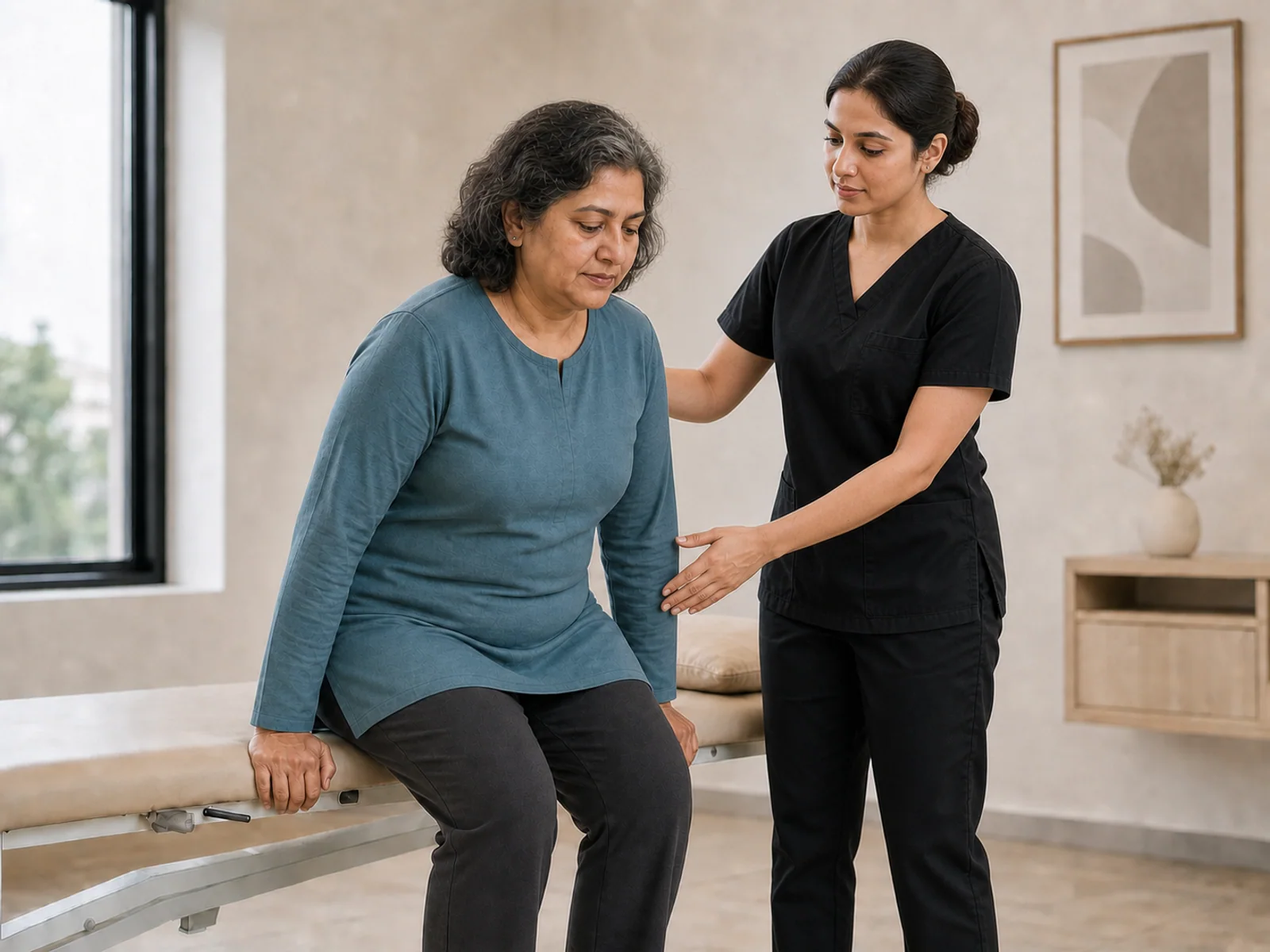
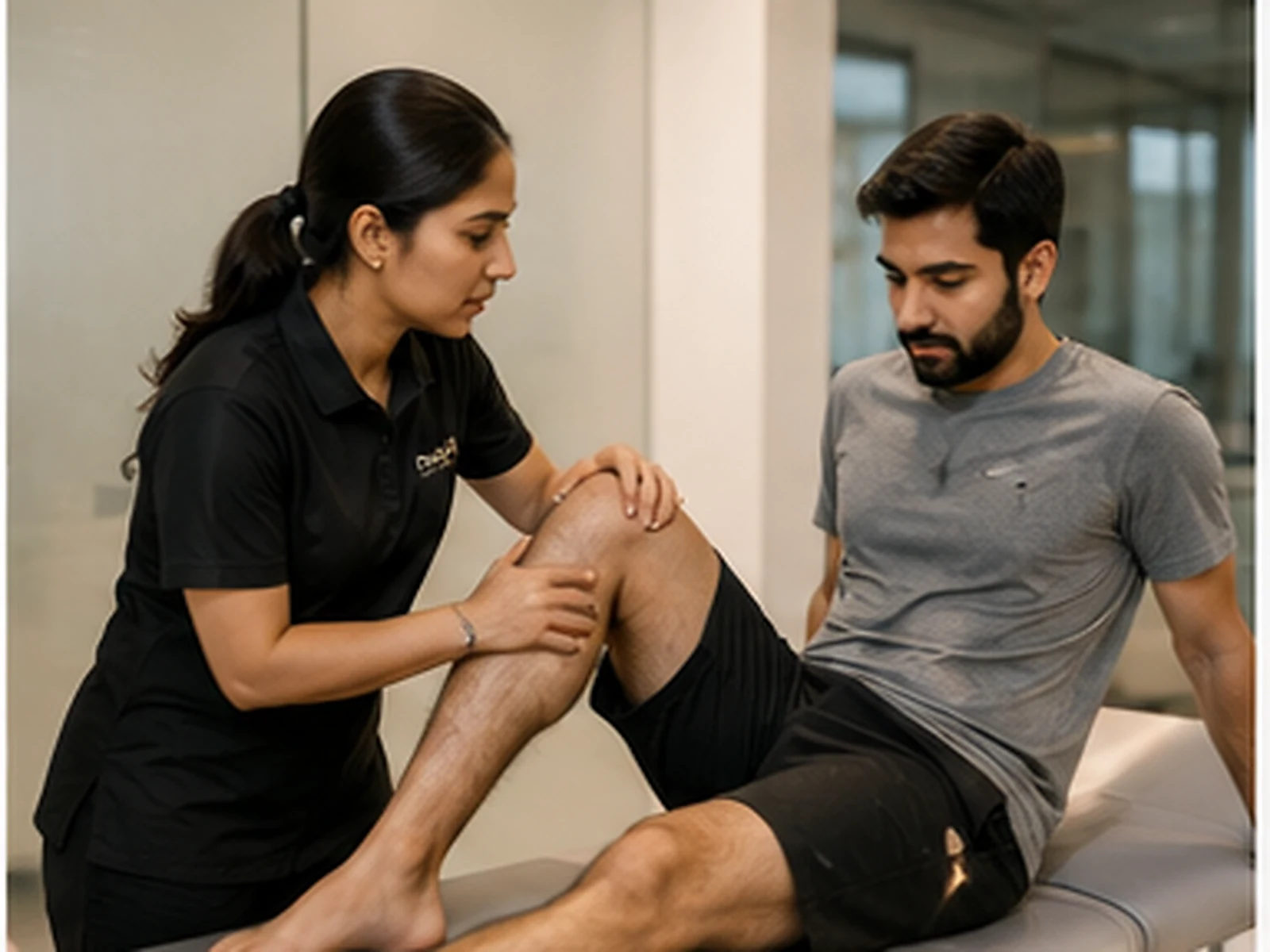
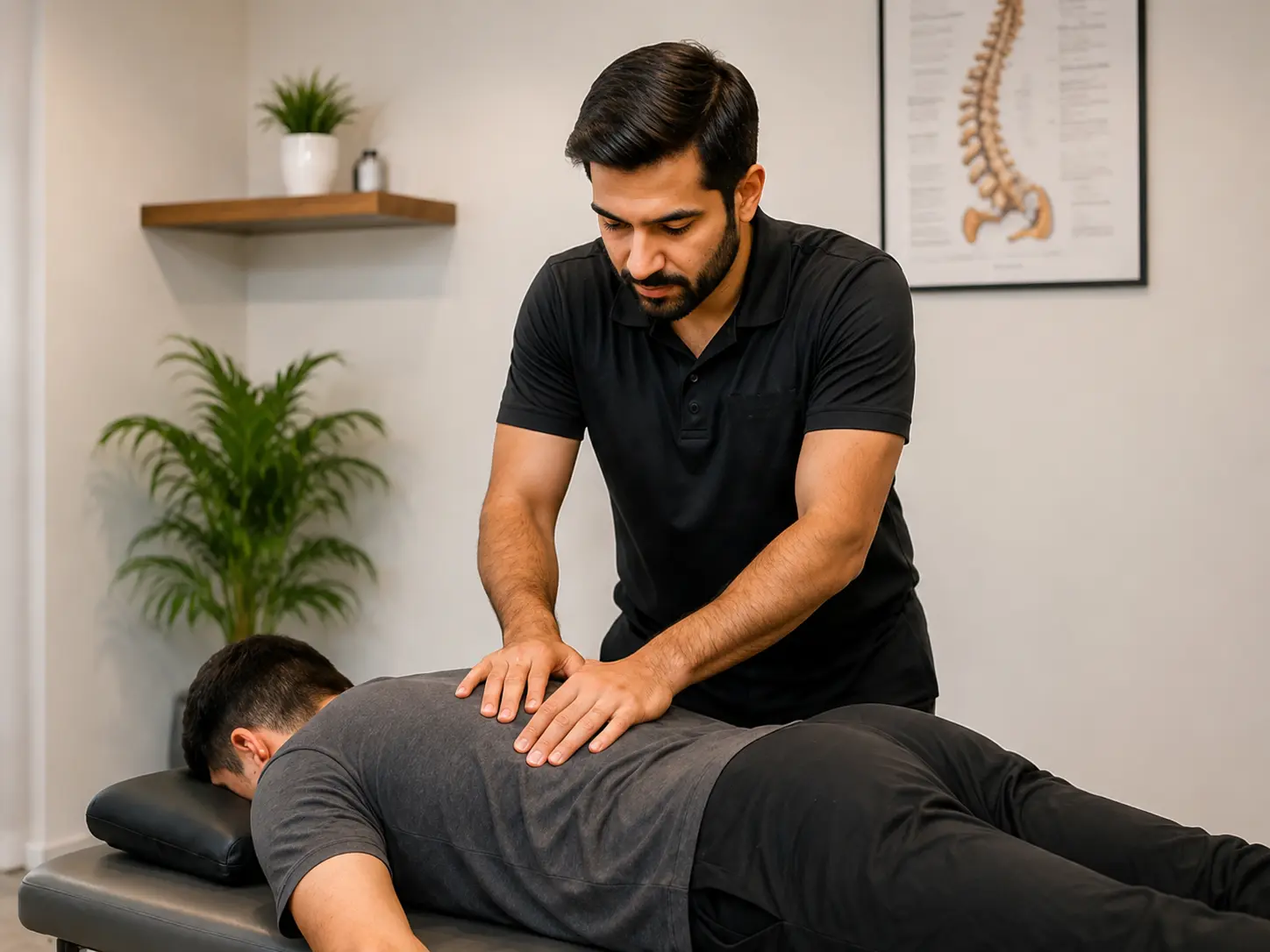
Representative service imagery.
Leaving hospital can bring relief and a new set of questions. How much can you move? Are you using the crutches correctly? What does “partial weight bearing” mean for ordinary tasks? Should you continue the hospital exercises, and when can they change?
Your first post-surgery physiotherapy appointment is a chance to make those instructions clearer. Preparation is less about arriving ready for a workout and more about bringing the information needed to plan your next step safely. The operation details and your surgeon's restrictions should guide the visit.
Start with your surgeon's instructions
Different operations require different precautions. A knee replacement, ligament reconstruction, repaired tendon and fracture fixation cannot share a single internet exercise plan. Even two people who have had the same named procedure may have different instructions.
At ThriveX Physio, post-operative rehabilitation follows the protocol you have been given. When a restriction is unclear, it needs confirmation from your surgical team before rehabilitation progresses beyond it.
The NHS guidance on recovery after an operation encourages returning to movement in line with medical advice and asking your doctor which exercises are appropriate. It also says to follow the instructions given for wound care. These are general principles; your own discharge instructions take priority.
If you have not been told when physiotherapy should start, ask the surgical team. Do not use a friend's appointment schedule as a substitute. You can contact the clinic to discuss what information is needed while that timing is clarified.
What to bring to the appointment
Put the following in a folder or gather readable digital copies:
Discharge summary: the operation, surgery date and relevant hospital instructions.
Written rehabilitation protocol: including any changes made at follow-up.
Restrictions: permitted weight bearing, movement limits, brace settings and any prohibited activities.
Hospital exercise sheet: including what you were shown and anything you are struggling to follow.
Available reports: imaging or surgical information you already have; ask before arranging additional tests.
Medication list: names and doses, including anticoagulants, pain medicines and relevant supplements.
Follow-up details: the next surgeon review and a contact route for clinical questions.
If something is missing, say so when booking. Do not postpone seeking urgent medical advice because your paperwork is incomplete.
Bring the walking aid or brace you were instructed to use. Wear clothing that allows the relevant area to be assessed without disturbing dressings. Ask in advance about access if stairs, transfers or travel are difficult. If another person helps you at home, it may be useful to discuss whether they should attend.
Prepare a short account of life since discharge
You do not need medical language. Specific examples are enough: “I can get to the bathroom using the frame, but I am unsure how much weight goes through this leg.” Or: “The exercise sheet shows a movement I cannot reproduce comfortably.”
Note when symptoms occur, which activities bring them on and whether anything has changed. Mention sleep, how you manage washing and dressing, and whether you can get in and out of a chair or bed. Tell the clinician about dizziness, falls or concerns about your medication.
Choose one or two priorities for the appointment. Understanding transfers or managing your home exercise sheet may matter more today than discussing a distant return to sport. Bring the longer-term goal too, so the stages of rehabilitation can eventually connect with it.
What happens at the first visit?
The appointment usually begins with a conversation about your history and symptoms. The NHS description of physiotherapy explains that a first appointment includes questions about medical history and lifestyle, assessment where appropriate, and discussion of treatment options.
After surgery, the surgical information changes what can be assessed. A clinician should first establish what is permitted. Movement, strength or a functional task can then be checked within those limits; maximal effort or forcing a stiff joint is not an automatic part of the first visit.
At ThriveX Physio, the published post-operative and fracture rehabilitation information describes checking current function against your protocol, then planning staged recovery. Depending on the operation and stage, relevant priorities may include movement, safe walking, strength or the everyday task you need next.
Ask the clinician to show you any home activity clearly, watch you repeat it when appropriate, and explain the written instructions. If an exercise cannot be done within your restrictions, raise that concern before you leave.
Leave with answers to these questions
What am I allowed to do now? Clarify any uncertain medical restriction with the surgical team.
What is the purpose of each exercise or activity? Understand how it relates to your current stage.
How should I perform it at home? Ask for the agreed amount, frequency and any required support.
What response is acceptable, and what means stop or seek review? Request specific advice relevant to your operation.
What must improve before the next stage? Ask which findings matter and whether surgeon approval is required.
Who should I contact about a new problem? Have a route for rehabilitation questions and one for medical concerns.
Ask about work, driving or travel if they affect your planning. Permission for those activities may require medical clearance and other considerations; an exercise milestone alone does not establish that you are ready.
Why recovery should not follow a universal calendar
It is natural to compare your progress with another person's. A more useful comparison is with your own starting point and the requirements of your procedure. Ask whether the current limitation is expected, what is being monitored and what would change the plan.
For knee replacement specifically, the NHS recovery guidance describes recovery as variable and emphasises following the hospital's advice and prescribed exercises. Its procedure-specific advice should not be applied to a different operation.
There is no universal week to discard crutches, begin resistance exercise or return to running. Your clinician should explain the progression allowed by your protocol and review it against your actual movement and function.
Warning signs that need medical attention
Recent surgery can increase the risk of a blood clot. New pain or swelling in one leg, particularly the calf or thigh, or changes in skin colour and swollen veins should prompt urgent medical assessment. The NHS DVT guidance describes these symptoms, and the NHS advice on recovery after surgery highlights leg pain or swelling as a reason to seek help.
Seek emergency medical care for severe difficulty breathing, chest or upper-back pain, a very fast heartbeat or fainting, even without leg symptoms. Sudden breathing difficulty or coughing blood also needs urgent medical advice. The NHS pulmonary embolism guidance explains these warning signs. Use local emergency services in Islamabad; do not wait for physiotherapy.
After knee replacement, fever or feeling shivery, wound discharge, and redness, tenderness, swelling or pain that is worsening or not improving warrant urgent review. The NHS knee replacement complications guidance identifies these as possible infection or clot warning signs. For any other operation, follow its discharge warning signs and contact your surgical team when concerned.
Questions patients often ask
Can I start exercises before the appointment?
Follow the exercises and restrictions given by your surgical team. Do not add a general programme from a blog while waiting. If an instruction is unclear or produces a worrying response, seek clarification.
What if I have no written protocol?
Tell the clinic and request the relevant instructions from your surgeon. An assessment can help identify missing information, but it cannot create surgical permission that has not been confirmed.
Should I stop medication before physiotherapy?
Do not change prescribed medicines for the appointment without your prescriber's advice. Bring your medication list so relevant precautions can be discussed.
To prepare for a visit, read ThriveX Physio's post-operative rehabilitation information and contact the clinic with your operation and available protocol. ThriveX Physio is in Allegiance Tower, New Blue Area, Islamabad, near F-9 Park. You can WhatsApp +92 341 7388830 about booking.
Evidence & further reading
Guidance and research behind this article. Each source is linked so you can read its context and limits. Some guidance comes from UK or US health services; local referral and emergency pathways in Pakistan differ.
- NHS: Getting back to normal after surgery
Follow medical advice on movement, exercise and wound care after surgery.
- NHS: Physiotherapy
First physiotherapy visits include history, appropriate assessment and discussion of options.
- NHS: Recovering from a knee replacement
Knee replacement recovery varies; hospital instructions and the prescribed exercise plan matter. No knee-replacement timeline is generalised to other operations.
- NHS: DVT (deep vein thrombosis)
Surgery is a clot risk context; leg pain and swelling need urgent review, and breathlessness or chest pain with clot symptoms requires emergency care.
- NHS: Complications of a knee replacement
Procedure-specific urgent signs include fever, wound discharge and worsening redness, tenderness, swelling or pain.
- NHS: pulmonary embolism
Emergency chest/upper-back pain and severe breathlessness; urgent sudden breathing difficulty or coughing blood, without requiring concurrent leg symptoms.